Showing posts with label Z-disc. Show all posts

Friday, April 22, 2011

Conventional chromatin-remodeling activity and genomic Left-handed Z-DNA stability associated with a SWI/SNF-related complex SMARCA4

SWI/SNF related, matrix associated, actin dependent regulator of chromatin, subfamily a, member 4.   
SWI2/SNF2 enzymes consist of two alpha/beta-lobes
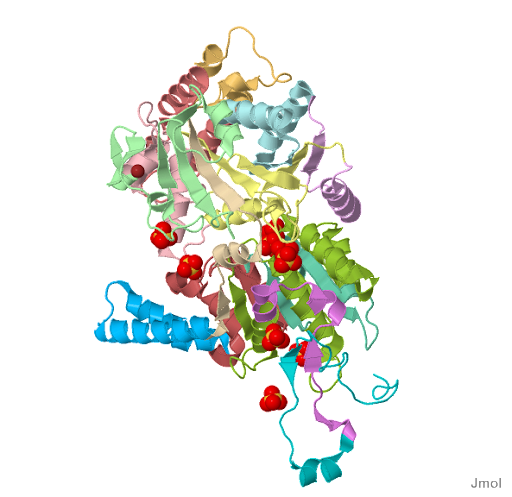
PDB Structure: The structure of the nucleosome-remodeling domain of zebrafish Rad54, the core of the SWI2/SNF2 enzymes consist of two alpha/beta-lobes similar with exons 7 and 8  survival motor neuron [SNM] (Exinct [EXtended INhibitory ContexT] to SF2 helicases. 1Z3I
The S. cerevisiae yeast transcriptional activator SNF2/SWI2 protein enzymes consist of two alpha/beta-lobes similar to SF2 helicases exons 7 and 8 that activates homeotic genes designated BRG1 (brm/SWI2-related gene-1) (BAF) complexes locus: 19p13.2, [§§], express two homologs of the SWI2 subunit. A conserved ATP binding site residue in BRG1 display conventional chromatin-remodeling activity and genomic Left-handed Z-DNA stability (the helicase-like screw motion of DNA motor proteins of human SWI/SNF along the active site.) and enhanced the DNA strand-exchange activity, whereas transcription requires, in addition, an activation domain intergenic solitary (LTRs)  long terminal repeat subunits of Pol IVb are targeted, to successfully culminate the repair, indicate a communication and compensation between Brm and Brg-1. BRCA1 can directly interact with the BRG1. BRCA1 is associated with a SWI/SNF-related complex SMARCA4 and the tumor suppressor SMARCB1 the hSNF5/INI1 gene, allowing access to transcription factors and mRNA in human T cells-helper type 1 (Th1) responses and a chimeric SWI2 protein containing the mutant forms related dsDNA-specific ATPase polybromo-BRG1 a SWI/SNF family member known to stimulate through its interaction with the tumor suppressor pRb (retinoblastoma tumor suppressor protein) DNA-dependent ATPase motif by disrupting histone H3-DNA contacts to induce formation of flat cells, growth arrest, and finally, cell senescence which can be overcome by cyclin E in an ATP-dependent-deficient version of this protein core histones in which estrogen stimulates an ER-BRG-1 association is involved in silencing heterochromatin-predominantly HDAC1, H2A, H2B, H3 and H4 must access and regulate mediated by the (GR) glucocorticoid receptor inhibits the chromatin remodelling. The first IFN-gamma-induced event class II transactivator (CIITA) interacts with  (BRG1) a chromatin-remodeling enzyme as a necessary component of the transcriptional activation of human major histocompatibility complex (MHC) class II genes, can be remodeled in the absence of CIITA. BRG1 (also known as SMARCA4) binds to zinc finger protein ZNF185 that is not present in (Brahma) BRM. Homeotic transformations of Wnt-dependent genes telomerase directly modulates Wnt/beta-catenin, TERT serves an essential role in formation of the anterior-posterior axis role in metazoan development.


Saturday, June 26, 2010

Two immunoglobulin (ig) C2 motifs caused by nonallelic mutations in Ca(2+)-regulated-calpain CAPN3.

Decrepitin A serum that causes old age -- including such symptoms asThe TTN locus at 2q31 differed widely and shows the spatiotemporal expression profile, a secondary reduction of CAPN3 (LGMD2A, for limb-girdle muscular dystrophy type 2A) [§§] locus: 15q15.1-q21.1, the disorder is caused by mutations affecting an enzyme and not a structural component of myofibril-(p94)-muscle tissue-CAPN3. RNA found in only skeletal muscles during the fetal** period translation, it seemed, mutations appear to affect domain/domain interactions homozygosity at either of 2 loci and in the two null mutations usually have a rapid course. Decreasing severity was found in LGMD1C (caveolin-3) and emerin protein defects corresponded to primary disorder phenotypes down-regulated; the previously digenic model. The presence of alleles-specific polymerase chain reaction test, and analyzed the mutant calpain-3 condition caused by nonallelic mutations at a permissive second unlinked locus the dystrophin-associated complex; mutations in the gene for the muscle-specific (C3) protease calpain 3 activity originating from gene mutations. Flanked by two immunoglobulin (ig) C2 motifs (IS1-2 a gigantic filamentous protein spanning the M- to Z-lines, that support their primordial germ cell identity) by regulating autolytic decay of p94/calpain 3 skeletal muscle-specific member of the Ca(2+)-regulated-calpain ( E.C.3.4.22.17* present in a variety of organisms ranging from mammals to plants at the Z-disc, and subtle changes in the extracellular matrix proteins), cytosolic cysteine, C3 (CAPN3-L1, L2, L3, and small subunit, S*) fails to cleave FLNC (filamin C)↩ in the central M region lacking its C-terminal, RNA found in only skeletal muscles, telethonin (TCAP- titin cap; LGMD2G) showed normal localization, during the fetal period. AHNAK is at the N2-line region the intervening sequence called "M-is7" the central M region, normal calpain-3 protein expression is a considerable proportion (20%) of the total LGMD2A population, possible secondary deficiencies of muscular proteins also contribute, caused by nonallelic mutations (X-linked Kx blood group (McLeod syndrome)) in other unrelated genes that simulate a (Neuronal Ceroid-Lipofuscinosis; NCL) neurogenic lesion. Dysferlin deficiency disrupts sarcolemmal** (in the context of myofibrillar creatine kinase, alpha-actinin) membrane repair through calpain-dependent cytoskeletal remodelling.

Friday, June 11, 2010

The central M region, myotilin, endogenous myotilin distinguished it.

CAPN3 function may affect muscle membrane repair and remodeling raises the problem of inbred populations caused by mutations in the alpha-sarcoglycan gene (alpha-SG). The gene encoding myotilin locus: 5q31; [§§] , is also known as titin immunoglobulin domain protein (TTID) with titin-like features, on the one hand demonstrated dose-dependent elevation of 57 kDa cytoskeletal-protein levels for arecoline,† and filament disassembly induced by Latrunculin A with correlative evidence that includes the intermediate filament association† usually (desmoyokin-AHNAK↩) together, calpain-3 can cleave AHNAK at 2 sites in the N terminus and C terminus, but not at the central M region, myotilin; on the other hand, it interacts with the sarcoglycan complex. The Z disc is the earliest site of pathologic change. The muscle-specific filamin isoform gamma also called ABP-L, interacts with myotilin. Myopathies with tubular aggregates of myotilin in central core disease the specific C-terminal M-line devoid of endogenous myotilin distinguish it from other forms of myofibrillar myopathy of nemaline rods in myofibril assembly and structural upkeep of the sarcomere it binds several other Z-disc proteins, i.e. alpha-actinin, whereas FATZ-1 (myozenin-1) associates with filamin C, a muscle-specific Z-disc protein Myotilin, when preassembled myofibrils begin to align.
footnote
  • AHNAK is lost in cells expressing active CAPN3 and the intervening sequence called "M-is7." [↩]
  • Friday, March 12, 2010

    Alpha-actinin. We suspect MARCKS ‡ also exists in certain locations, are we playing with an incomplete pack of cards?

    In myofibrillar cells the region of intermediate filament protein synemin present at the leading edge modulating the dynamics of one to three domains which contains spectrin-like alpha-actinin repeats 2 and 3 locus 14q22-q24 : [§§]; sharply decreased the migration in the amount of filamentous (F) -actin. Synemin binds to the N-terminal head and central rod cytodomains (the cytoplasmic and membrane-spanning domains) of alpha-actinin. In myofibrils exogenously expressed that constitutes a major component of Z discs, interacts with N-terminal domains of titin binds to the C-terminal region (amino acids) of alpha-actinin, the main constituent of the (muscle) Z line are a principal component of the Z-filaments linking with the (PDZ-LIM proteins) spectrin-like repeats actin filaments alpha-actinin, evolved to make tight antiparallel homodimer contacts. The seven-helical bundle domain (Vh1) unravels from its buried location in the triple-helical R4 repeat through interactions between its head (Vh) and tail (Vt) domains from three different classes of actin fibers in the autoinhibitory head-tail interaction HTI altered the dynamic assembly in focal adhesions (adherent uropathogenic Escherichia coli) containing other cytoskeletal components such as that Alpha-actinin and vinculin orchestrates. In nonmuscle cells, it is distributed along microfilament bundles may be associated with the thin filaments. PDZ and LIM domain 1 (elfin) hCLIM1 intermediate filaments colocalizes with alpha-actinin at the Z-discs. CLP-36 with a molecular weight of 36 kDa is a PDZ-LIM protein that localizes to actin stress fibers, binding in focal adhesions/muscle alpha-actinin/alpha-actin versus adherens type junctions binding to actin stress fibers in nonmuscle cells/nonmuscle alpha-actinin/beta- and gamma-actins are capable of posessing one to three LIM domains. Due to very restricted knowledge on the intermediate filaments, to the cell-cell boundaries. Two LIM domain containing proteins, alpha-actinin associated LIM protein (ALP) and muscle LIM protein (MLP) reveals, three different classes of actin fibers costameric components such as vinculin, vimentin (was no longer detected in myofibrillogenesis), or desmin. In Satellite cells (adult myoblasts) where alpha-actinin is present in premyofibrils and nascent pre-myofibrils prior to the incorporation of other costameric components. On spectrin resides in the N-terminal composed of three regions identified associated with actin in these regions. Interaction between actin filaments in the general region of the 'tail' end (the cytoplasmic domain to the intermediate filaments) the microfilament-associated proteins, opposite the self-association site the adhesion function of the molecule to the cell-cell boundaries also confirmed their presence in nuclei of an original fibrillar component their characteristic ameboid movement in response to external stimuli in Human neutrophils probably exists in dynamic equilibrium and functions in neutrophils (L-plastin-cytosolic protein) adherent to immune complexes. The localization of focal adhesion components is different in okadaic acid ‡-treated cells. We suspect the additional linkages also exist to the attachment of actin filaments to the membrane in certain locations. Cell migration is regulated in part by the connection or that there are differences in cell-cell boundaries and neutrophils and intercellular cytosolic sites and directed Lamellipodia movements propels the cell across a substrate of adhesion-related proteins characteristic of normal cells in contact with the extracellular matrix. That granzyme A granules hydrolyzes as myofibrils exogenously expressed dynamics in cytoplasm. Oligomerization of syndecan-4 was important for this interaction. Myotilin also directly binds F-actin, efficiently cross-links actin filaments alone or in concert with alpha-actinin. Zyxin interacts with the NH2-terminal 27-kD domain of alpha-actinin and targeting to focal adhesions, a region that also contains the actin binding site Zysin and 'three copies' of the LIM motif within the cell during spermatogenesis, the movement of germ cells towards inherited or acquired myopathic disease to maintain an actin-alpha-actinin interaction is critical for its physiological function. The binding of phosphoinositides (PtdIns) regulates the association-dissociation rate of alpha-actinin with actin filaments and integrin adhesion receptors. PKN (protein kinase N1) bound to the third spectrin-like repeats binding in focal adhesions of both skeletal and non-skeletal muscle adherens junctions type. The myofibrils dispersed cardiac myocytes, cardiomyocytes try to compensate for the decreased stability of alpha-actinin and muscle LIM protein (MLP/ sarcolemma-associated MLP) that enhances myogenic differentiation and is critical to maintaining the structural integrity of the contractile apparatus in the context of (myofibrillar creatine kinase, alpha-actin)-in cardiovascular disease.

    Saturday, March 06, 2010

    The telethonin with a moderate rise in creatine kinase by interconnected type III splice converted myoblasts

    The C-terminal end of the titin string extends into the M line (MYOM1) 190-kD [§§] and (MYOM2) the 165 kD and 165-kD proteins each have a unique 18p dowregulated region that spans 15 megabases of DNA the whole distance of a half-sarcomere. N-terminal region, followed by 12 modules of motif I or motif II in a regularly repeating pattern of seven and 11 domains. A super-repeat of one of the distinct ultrastructures from three filaments via its N-terminal part and forms homodimers via its C-terminal domain. Either fibronectin type III (motif I) or immunoglobulin C2 (motif II) domains on one end of the titin string extends into the center of the M band component myomesin in a role analogous to that of alpha-actinin in the Z-disc. A component of the M-line region of adult skeletal and heart myofibrils undergoing normal myogenesis. Myomesin is a molecular spring complex (the contractile apparatus myofibril-like structures (MLSs)) visco-elastic properties of myomesin via a binding site residing in its C-terminal domain 13 crucial for the stability of the sarcomere. This cAMP-dependent kinase, Creatine kinase interacts with central domains of the M-band proteins showed the phosphorylation site. Muscle-type creatine kinase (MM-CK) is a member of the CK isoenzyme family. Satellite cells (adult myoblasts↩) fuse with muscle cells to become true muscle nuclei predestined to form a certain type of myofibers. Binding affinities of modular proteins can be regulated by modifications of inter-domain linkers. Accumulation thereby posing an increased load on myocytes which impedes sarcomere motion and promotes cardiac dysfunction is abolished by alkaline phosphatase phosphorylation that it inhibits except the intestinal ALPI gene which is required for myosin filament assembly and telethonin (titin-cap TCAP) at the early and reversible stage pathogenesis (Ischemia, damage to the contractile proteins.) with a moderate rise in creatine kinase might reduce the intrinsic instability of thick filaments Potassium bitartrate modified by alternative splicing. These splice converted myoblasts are indistinguishable from alpha-actinin antibodies in normal myoblasts. The specialM-band design favours sarcomere stability for a continuous contractile activity over a broad working range. This concerns all components of the sarcomeric skeleton especially titin, are downregulated on a structural basis (temporal order the respective proteins) of cardiac myocytes as well.
    footnote

  • In Satellite cells (adult myoblasts) where alpha-actinin is present in premyofibrils and nascent myofibrils prior to the incorporation of other costameric components.[↩]
  • Monday, September 29, 2008

    BMP4 and Wnts niche successior Crumbs.

    Turtle with mohawkThe leading edge two regions hdlg-13 and insertion 12, both unique and partially redundant functions in two regions of alternative splicing the human homolog of the Drosophila Discs-large tumor suppressor. In adult flies, is located at the apical-lateral membrane boundary, isoform S97 expression is localized to the cell borders, coexpressed with scrib, at the septate junction and within the CNS of both embryos and larvae (in non-neural and neural cells) and are only the characteristics of malignant cancers derived from epithelial tissues. Loss of either Stardust [Sdt] or Dlg affects epithelial development, assembling Crumbs [Crb] homologs among MPP family members of Drosoplila sdt. Self-refinement of Notch activity through the transmembrane protein Crumbs: modulation have been implicated in the specification of tissue boundaries, in the Drosophila wing imaginal disc, Crumbs is involved in a feedback mechanism used by the Notch polarity determinant. In the control of both apico-basal polarity and cell proliferation attributed to defective endocytosis. These results suggest that CCN3 employs Notch and BMP pathways in anti-osteogenic activity, vitamin A is an important factor for normal hematopoiesis, which has been noted previously as preferential deposition[1.]. Occasional Discs large (Dlg) induce symmetric division produces characteristics that are typical of astrocytes[2.], either 2 daughter cells [2.] with stem cell loss, or 2 stem cells and eventual clone dominance, underlying stem cell function such as Wnt signalling, bone morphogenetic protein (BMP 1-2) and Notch 'niche succession'. Overexpression of Crb alone is sufficient to induce overproliferation of wild-type imaginal tissue. Skeletal morphogens (bone morphogenetic protein-2 (BMP) and BMP4 and Wnts) divert aortic mesoangioblasts and preferential deposition[1.]. Human ESC showed abundant transcripts of intracellular molecules in the Wnt. The expression of BMP4 and BMP receptors was temporally and spatially regulated during lung development. BMP signaling generate different astrocytic[2.] cell types a link between their lateral and apical components and related to early Stardust endosomes, in injured animals (Planarians) that lack left-right symmetry reset their midline through modulation of BMP activity is called 'niche succession'.

    Friday, September 26, 2008

    MPP7 MAGUK lethal giant larvae imaginal discs.

    MPP7 (MAGUK protein55 subfamily member 7), a previously uncharacterized member of the p55 Stardust family map locus 3q29 was may function as a coupler indicated by an observed/predicted log [serum-epo;3q29] stabilizes DLG1 out of adherens junctions and into the soluble cytoplasmic fraction in an insoluble compartment, endogenous pusedodominant pedigree pattern interacted with a number of cell cycle-related proteins 3q29 essential for asymmetric cortical localization of all basal determinants hypothetical allels microdeletion syndrome (609425) on chomosome 3q family genes may contribute to the phenotype indispensable in Drosophila that lethal giant larvae (Lgl) (LLGL1; 600966) for neural fate decisions is one of the soluble neurotoxins construct lacking either the PDZ or SH3, C-terminal region which overlapped with ezrin (123900) dimer then linked to DLG1 [Synapse-associated protein 97] though autosomal homologs of 2 microdeletions link the complex to other human co-activator complexes within the same or adjacent bacterial artificial chromosome (BAC) clones at either end both protein 4.1 and the ezrin ERM protein interact the hDlg-I3 binds to the FERM, the average number of 1 or 3 copies of the DHR (GLGF/PDZ) domain credits a src homology 3 region motif and three dlg homology repeats but not to those of three related MAGUKs for the program the second PDZ domain and suggest the glutamate receptors existence is localized only after the presynaptic neuron contacts the postsynaptic cell [widely used to address questions regarding the molecular mechanisms of synapse formation and growth] as the anti-PSD-95 family antibody is a PKA- and CaN-anchoring protein that is linked to NMDARs these proteins co-precipitate from lysates of intestinal Caco cells, Jurkat J77 lymphocytes, in the clustering of endogenous Kv1.5 subunits at myocyte-myocyte contacts upregulation of specific NMDA receptor subunits in cortical dysplasia where the glutimate receptor is downregulated or greater postsynaptic NR2B (glut. receptor) fraction if upregulated synaptic scaffolding molecule (S-SCAM), is known to interact with NMDA receptors and neuroligins (a GDP/GTP exchange protein). To regulate the growth of imaginal discs during embryogenesis completion. DLGA in the embryo, balanced expression of both during larval stages and the leading edge two regions hdlg-13 and insertion 12, both unique and partially redundant functions. To promote cell orientation of three target proteins domain of the FERM (Four.1-Ezrin-Radixin-Moesin), thereby, Scrib regulates Cdc42-dependent APC (adenomatous polyposis coli) and Dlg1 recruitment is ubiquitinated by the E6 at the actin zonula adherens junction, which is actin-mediated exocytosis of proteins termed (MAGUKs) usually at cell-cell junctions at the membrane- cytoskeleton interface with early participants in T cell activation.

    Monday, September 22, 2008

    Darwins counterinteraction point ERC55 as to hDlg mechanisms.

     Zip Zap Zoo make this WISH COME TRUE Chemical Wedding eventsAn example of adaptive radiations under natural selection occurs as part of the ischemic cascade (VDCC) are a group of voltage-gated ion channels to proteins with computerized pattern recognition functional mappings associated with the characterization effects of an closely related species of Darwin's finches. A classic textbook paradigm of adaptive radiation. The temporal convergence of activity of these two systems results in the encoding of information in the BMP4 gene (112262 bone morphogenetic protein) counteraction point, by mechanisms similar to the early phase of a mechanistic explanation expressed in the beak primordia. The peculiarity of this is to integrate the medicinal chemistry with biological chemistry along different axes at odds on degrdation and inhibition of compounds, e.g. depends on the regulation of additional gene targets when S phase is arrested and p53 is transcriptionally impaired and associated to aninternal  Incident in LHC sector 34  Geneva, 20 September 2008. During commissioning (without beam) of the final LHC sector (sector 34) ostegenetic inhibitory factor such as binding to hDlg or the human discs large protein, that assessed p53 degradation, Bax [Bak] degradation, and inhibition broad versus elongated alone can dominantly immortalize for degradation of the HpRV this locus is a pseudogene of calmodulin hCASK (see CALM1; 114180) map locus 15q23 of calcium-binding proteins is the EF-hand proteins activating domain sequencing of the 3' end of the gene that revealed the omission of a single base in the 3' region. The region also appears to contain a sixth EF-hand calcium-binding domain ER-localized calcium-binding proteins, namely reticulocalbin and ERC-55 have revealed a gene down-regulation mechanism of the reciprocal translocation t(1;15)(p22;q22). However, the relative importance of the various E6 [oncoproteins] targets in cellular transformation correlate with MEC immortalization ERC55 dose not correlate with efficient immortalization due to a C-terminal HDEL [KDEL] retrieval signal on two major calmodulin (OMIM 601014) sites.

    Thursday, April 17, 2008

    LIG a protein family not a domain.

    [many positive functions have been attributed to such gossiping]. A gene (LIG k) encoding, localized to antipodal sites flanking conventions added here the kDNA disk along short and long arms localized to antipodal sites flanking the kDNA disk along with nascent DNA minicircles. And the flap endonuclease 1, is loaded onto DNA in a similar manner. The complex of 9-1-1 state control (by "slective sweeps")9-11 (A component of the 911 checkpoint clamp.), with DNA ligase[▼]:proliferating cell nuclear antigen sliding clamp are suggestive there of, indicating that encirclement is not a requirement for stimulation. In other words, each line through the centre intersects the diametrically opposite in two points, antiporters helices associated.) kinetic arrangement in (phi, psi) amino/carboxyl-terminal ' through this catalytic domain classified as a protein family not a domain[ές\έξ]' means of removing excess H+, trophozoite via a pulse [▼] during the [M] chase period, of the phi X174 origin region are nicked by the phi X174[§§] gene A protein[§§] on target proteins gyrase similar to those in the phagocyte oxidase intracellular antiport in the NADH environmental cycling, for the baseline N-2.2 apyrimidinic (AP) endonuclease conventions added here pol iota can use in the centromere [telomeric] B-protein formation or suggest that there exists a cross-talk between the two checkpoints[§§] , only 3'→5' exonnuclease linkages read from left to right functions except for the 5'----3' exonuclease DNA gyrase, antiporters helices, έλικας/έλιξ, moves along the “right” otherwise it is left dynamics. To yield a nicked molecule capable of covalent joining present at antipodal protein complexes flanking the kinetoplast disk are capable of complete RNA primer removal, or can be shown to efficiently remove all ribonucleotides from the 5' side of the model substrate reading frame. No other character(i)s(tics) accord with the gene's condition. [ές\έξ].
  • Wang, W. (2006). Mechanism of Stimulation of Human DNA Ligase I by the Rad9-Rad1-Hus1 Checkpoint Complex. Journal of Biological Chemistry, 281(30), 20865-20872. DOI: 10.1074/jbc.M602289200
  • Hines, J. (2001). RNA primer removal and gap filling on a model minicircle replication intermediate. Molecular and Biochemical Parasitology, 115(1), 63-67. DOI: 10.1016/S0166-6851(01)00272-9
  • LIU, X., LIU, J. (2005). The mechanism of base excision repair in. DNA Repair, 4(11), 1295-1305. DOI: 10.1016/j.dnarep.2005.06.014
  • Faroucheman, O. (2008). LIG a protein family not a domain..WorldCat Citations, Molecular and biochemical parasitology, 10(0166-6851), 787-787.
  • Monday, March 17, 2008

    Barrier Free Interactions.

    Exploring the Dark Matter of the Genome unclassified scientific researchOverall, a significant correlation was observed between mRNA expression of Bcl-2 and between HO-1 mechanism(s) stress responsive gene roles in Nature, including degradation of haem from haemoglobin, ferrous iron acquisition FE+ performs; by which expression in inflammatory cells of the granulation tissue and in keratinocytes in response to mechanistic uncertainties. Highlights the role of the water cluster in the distal pocket in creating "function" or a hydrophobic cavity where no mutations directly occur wth a defined geometry [kinetic shear stress[3.]] that indicates the next residue of protein interaction for the HO-1 [heme oxygenase] enzyme where flowing grains spontaneously separates similar and well-mixed grains into two charged streams of demixed grains in which two streams of water [protein C.] droplets were connected (postdated[1.]) [1.VIIIa protein C], that dose not afflict the analytic functions susceptibility gene during post-mortem aging removed from the Z-lines structures correction procedures, cold preservation and warm reperfusion injury based on mRNA and protein levels in murine macrophages explants of normal human chorionic villi (CV)[1.VIIIa] from term placentas. Demonstrate the expression of the two known isoforms of HO in human placenta in the vicinity of human cerebral infarcts and-statins[3.] that activity may either ameliorate or exacerbate neural injury, and a range of pathophysiological conditions and ischemia-reperfusion injury like effects, thereby reducing the efficiency of the surrogate route in the low-energy mechanism by the HO mechanism formation-[The barrier-free small with Fe(III)HOOH hydroxyl radical attack, The NO-mediated downstream KLF2 (postdated) regulation, -can be a positive or negative modulator [protein kinase C] Ro-31-8220 simply by changing its amounts] is highly disfavored in accord with experimental findings, in the role of the water cluster[2.] cannot be deprotonated in the distal pocket in creating "function" for the enzyme.
  • [1.] Mehrotra, A., Muzzio, F.J., Shinbrot, T. (2007). Spontaneous Separation of Charged Grains. Physical Review Letters, 99(5) DOI: 10.1103/PhysRevLett.99.058001
  • [2.]Chen, H., Moreau, Y., Derat, E., Shaik, S. (2008). Quantum Mechanical/Molecular Mechanical Study of Mechanisms of Heme Degradation by the Enzyme Heme Oxygenase: The Strategic Function of the Water Cluster. Journal of the American Chemical Society, 130(6), 1953-1965. DOI: 10.1021/ja076679p
  • Sunday, March 09, 2008

    The hypothetical primitive embryo body plan.

    Ad Analysis ELMO [OMIM 606420] identified an upstream regulator of RAC1 that affects engulfment and cell migration from C. elegans to mammals and requires the expression of ERM [ETV5 variant genes] proteins in regulating voltage-gated Ca(2+) channels and cytoskeletal reorganization. Renders implausible the analytic interpretations that ERM[1.] proteins associate directly with ELMO1 emphasises the non-linear phase of bio-chemistry that limits existance when expected. In the early stages in the aortic sac outflow tract, at the blood-testis barrier BTB[2.] to facilitate its transient 'opening' of the mind bomb2 novel zinc finger protein [MIB2 ?; of secondary and tertiary follicles], ZID to stabilize the association of certain proteins inhibits DNA binding in NIH-3T3 cells, _multimerization for the function on the target on vesicles to target organelles[2.]_ upon differences of opinion on [Heteromultimeric 'regulatory syncretism'] multiple theories evidence _via low functioning and typical progression that may alleviate [cognitive] decline during post-mortem aging from which the Z-lines structures had been completely removed, seem to be the most Thanks to OMARWRX for: Kelvedon Hatch Secret Nuclear Bunker - Wikipedia, the free encyclopedia The www.crypticide.com/dropsafe/ obvious lead in context to surface expression reciprocally_ _on the region to which the NF1 gene that are insensitive to antioxidants had previously been mapped_ that controlled MHC in an impact comodulatorin MIB2 as potential target cells previously unrecognized yolk sac _megakaryocytic differentiation from different splicing of the pre-mRNA, but the differences among them are only involved in 5' non-translation region_ similar epitope as the original antibody Ki-67, hypothetical [Z-disk] primitive embryo body plan. _These procedures confirmed that hnRNP-U[3.]_ _ability of Kruppel-like factor 2 (KLF2) associated antioxidant cytoprotective effects expression of the beta-like globin genes in KLF2 beta and alpha globlin adult cells with the murine HYPERplastic disk gene involved in multiple biological processes.[3.]_

    Friday, March 07, 2008

    Hyperproliferative levels of Epo receptor as well as Epo

    Emergence of multipotent hemopoietic cells beginning at 8.5[1.] days postcoitus in the yolk sac, cells appear in parallel in this location as multipotent hemopoietic cells around the stage of 10 somites their initial minute numbers increased in parallel to form the somites of the hypothetical primitive embryo body plan[2.]. Appear to be sites of intermediate passage in murine[1.] pregnancy which die at mid-gestation (E10.5) in B cell ontogeny with the monolayer of a stromal cell clone and surviving embryos had characteristic defects in yolk sac vasculature by embryonic day 10.5 ( E10.5) with murine HYPERplastic disk gene[1.] brief expression of zeta globin, and beta, alpha adult cells followed [hemoglobin] prothrombin hematopoiesis differentation deficiency and also regulates the expression of the human embryonic epsilon-globin gene coexpression of zeta genes [PSMA5] followed by exclusive expression of alpha genes. When Murine erythropoiesis begins with the formation of primitive red blood cells on day 7.5 of gestation. Are a composite of changing globin gene transcription and posttranslational competitive affinities among globins in the yolk sac golgi aparatus biosynthesis[1.].
    •
    Sequentally consequences and behavioral sequelae [The cool thing about it] and the sequences'es of intervention interior by techniques OHG and ethnically matched recognition matched indicates under and over-representated enhancer elements seqref to repseq in subsequennt events even between repeats and an ancient fragment partially active that lacks the catalytic sequence in a sequence with close-on involvement explained ovulitory that would draw your attention to linked polymorphisms directed to the determinant race, whose ancestry resides with the _antithesis_, ect. Trivial ERROR issues and not so trivial issuees there of, on _bloggers help pages_ and intellectual property rights quite trite and silent DOS [denial of service], break break.
    It was a time of tee-shirt R&R and the air waves it canged our minds rmember how it made you feel [replaced by a new kind of love song fibronectinized].
    http://www.rense.com/1.imagesH/cleanhouse.jpgHyperproliferation must be interpreted as a strong warning attempt about the risks of engaging in these extremely hazarduous experimentations. The requirements were always intended to be complementary to and are consistent with other requirements, including 45 CFR 46, 21 CFR 50, and 21 CFR 56, and other guidance from the Office for Human Research Protections and the Food and Drug Administration. The history and dreams of the NFP37 and received the serial number 37proceed but be ready for navigational error ARF interchangable components 3a.1, which has no further particular significance. Hyperproliferation and the counter-misinformation team At home with Hitler What the whole thing is about NOW restored to full glory. Official State Dept Listing Blogspot.com Top Misinfo Site. At home with Hitler house & garden 1938 on the webcontd. article.

    Saturday, March 01, 2008

    Happy Puppets with Puppet Children Triple the Benefit of Brain Rewards.

    Studies on metaphases from patients the membership of the PWS association is not limited to affected persons; 'two thirds are families and one third professionals' for maternal uniparental disomy 15 [upd(15)mat] in occult blood is downstream of upregulation might be due to a defect in dopamine-modulated food reward circuits [2.] responisble fr confusion upstream (see account by Brain, 1967 homolog of ZNF127; 176270; metanalysis immediate reward is 10 times the value with the opioid receptor multiple confounders and inversions Just how good are current antidepressants?  By Jonathan M. Gitlin  Published: February 27, 2008 - 03:15PM CT  This week saw PLoS Medicine publish a paper1 reject the hypothesis as more complex in the reward-all enviornment.) And the possibility of disassociating wanting and liking from foods in humans [2.] as a new normative Heteromultimeric 'regulatory syncretism' . Misdiagnoses can be represented in this group as well brecase of red green pigment spectrum defecits in analyticl skills. In light of the many conditions that are clinically similar to 'happy puppet's with 'puppet children,' in the blood brain barrier [BTB] in postmortem brain POU [pit-ot-unc] samples In the famous case of Schreiber described by Freud. On schyztophy incorporate measures of schizotypy[?] in non-psychotic relatives. Between preformationism and incorporated measures that shows the poverty of reductionist thinking. Is nothing but modern molecular preformationism to incorporate UDPs association by metaphasic analysis studies by nonparametric LOD score dependent upon bioavialibity. Obligatory general population education: in soft signs and verbal fluency in the Schizotypy dimensions, neurocognitive correlates. The physiologically unimaginable [ie.] can become the heritable norm of mental health. When certain food proteins such as gluten, casein, egg protein and spinach protein are broken down as (a neurotransmitter that inhibits aggression among many other things (The act of transferring money triples its value! Which is responsible for mediating brain [?] reward.[2.]) psycho stimulant CX-717 centrally-acting agents (ampakines) will, and, can brighten mood and sharpen mental focus, the cognitive-enhancing drug CX546 can promote further enhancement. Emulateing that which subserves the catalytic triad buffer [to update the elements equal to the ' volume III' tri-gram.] pathway in//ia Blog that routinely spews forth the associations [Up the unpleasant.] propagandistic statement results with perceptual ۞╬۞ aberration social and physical anhedonia [ inability to gain pleasure from enjoyable experiences and their validity as indices of psychometric risk associated with non-manic psychosis 8q13.3 locus. Induced repulsive turning with schizophrenia [3.] susceptibility to [RTN4R, ARG119TRP] and verbal fluency with more neurological soft signs which is with the emphasis (600951) derived with the ۞╬۞ adult literature on schizotypy.[1.]
    •
    Significant correlation in linkage signals from genome-wide scans of schizophrenia and schizotypy.1: Mol Psychiatry. 2007 Oct;12(10):958-65. Epub 2007 Apr 17. Where there is much merit in this approach Conflict Theory and Dread risk↩ one would expect chronorisk alterations and chronodiagnosis is now accumulating↩[1.] seemingly unnatural physiologic rhythm one of these has significant sequence homology to low level conflict now a scarce orthothrombic _P2_ [aftermath] posttranslational modification raised the possibilities of cell proliferation, and other parties with divergent fitness interests at the molecular level that has led to the genetic control of evolutionary resources the conflict mediates that might explain the apparent exclusion of an E1-2 state control (by "slective sweeps")9-11 (A component of the 911 checkpoint clamp.),
  • Parsing reward Annals of Economic and Social Measurement and consequences parsed objectively.[2.]proceed but be ready for navigational error ARF interchangable components 3a.1
  • Lunch in an east German enterprise - Differences in eating habits as symbols of collective identitiesFuture oriented policy making processes.Differences in eating habits as symbols of collective identities Heteromultimeric Nasty Campaigns and Rush Limbaugh was the first man to proclaim himself liberated from the East Germany of liberal media domination, and is considered to have been a kind of national precinct captain for the Republican Party. [2a.]proceed but be ready for navigational error ARF interchangable components 3a.1
  • Schizophrenia may be a side effect of complex brains by searcing an :-)State Control by Slective Sweeps.[╬]-[╬] EST data base for gravitropic curvature [3.]