Showing posts with label zbtb24. Show all posts

Wednesday, January 12, 2011

The role of TFII-I outside the nucleus an E box element on Spin visual spatial functioning.

Il Dr.Psycho dice che sono:stupido(ma non è colpa mia)Scopri cosa dice di te su About PsycHo generated via PsycHo
LE MODERNISTE - Restricted Thinking This cd-r is built around mental disorder and the therapeutics, especially Electro Convulsive Therapy and transorbital lobotomy Dr. psycho, stupido. Cell corpse regulon
entities making repeated determination useless, proposed for this ZMPSTE24 (- zinc metallopeptidase (STE24 homolog, S....of accelerated ageing syndromes)
ZBTB24 Mutation of the outer sphere solvent pocket residue iron-substituted Q146 has a more dramatic (X)
Within GTF2I general transcription 2, I-(MusTRD1), bind to similar but distinct sequences, is BAP135 a downstream target of BTK, a protein they designated BAP135 Bruton tyrosine kinase-associated protein locus: 7q11.23 [§§], which possesses a potential helix-loop/span-helix motif or a partial (WBS) deletion of band 7q11.23. GTF2I and USF1 can also act synergistically formed both homomeric and heteromeric interactions found inside the nucleus transactivation of reporter genes heat shock protein 5, GRP78/BiP . One of the E-box motifs overlaps the cis-regulatory DNA TATA and/or initiator (Inr) and this interacts with USF1 and TFII-I in vitro at the upstream RBEIII element that RBF-2 is comprised of. The role of TFII-I outside the nucleus, suppresses calcium entry by competing with TRPC3 for binding to agonist-induced PLC-gamma. TFII-I and/or factors that binds specifically to Inr elements to three regulatory E boxes in the human VEGFR-2 kinase insert domain receptor VEGFR-2/KDR/flk-1 (a type III receptor tyrosine kinase) promoter, contribute to the efficient formation of transcription complexes on the adult beta-globin gene and TFII-I (contribute to (WBS) deficits on visual spatial functioning), which bind's to the X mutation brain-specific Zbtb24; cooperatively this overlap interacts abd binds to the RBEIII core sequence 160-fold less efficiently than it (USF1/USF2) binds to an E box element.

Monday, July 26, 2010

ZMPSTE24 farnesylated form of prelamin A residues of farnesyl-CAAX protein (FTIs) types A or B forming mature lamin A

aSte24p homologues* in a diverse group of organisms, including Escherichia coli, S. pombe, Haemophilus influenzae mutants with altered phototropism, and Homo sapiens. HIV-PIs (protease inhibitors) inhibit ZMPSTE24, leading to an accumulation of farnesyl-prelamin A is the deleterious agent leading to the HGPS phenotype (Hutchinson-Gilford progeria syndrome) but they are associated with lipodystrophy and other side effects. Which encodes two nuclear envelope proteins lamin A and lamin C, or prelamin A the unprocessed toxic form of lamin A the processing enzyme of metallopotease ZMPSTE24 farnesylated form of prelamin A known as progerin, that ZMPSTE24 encodes. An enzyme necessary for the correct processing and maturation of lamin A an intermediate filament (IF) component of connective tissue synthesis (interacts with a broader repertoire of desmosomal-like junction components) by the secondary laminopathy gene ZMPSTE24 locus: 1p34; [§§], processing endoprotease-, the posttranslational processing (FACE-1) of Ste24p carboxy terminal residues of farnesyl-CAAX protein (FTIs) types A or B patterns of lipodystrophy mutant prelamin A to form mature lamin A. Mutations in ZMPSTE24 may cause MAD (Mandibuloacral dysplasia) by affecting prelamin A processing. These phenotypes are largely rescued in Zmpste24-null/Lmna heterozygous, phenotypic and biochemical similarities with Zmpste24 -/- mice and progeroid features farnesyltransferase inhibitors (FTIs) reverse this cellular abnormality and may have beneficial effects in humans with progeria, generalized lipodystrophy.

Monday, September 21, 2009

Zhangfei (ZF) interacts with HCF derived evolution of (Camptotheca, Happy tree) etoposide VP-16 in cellular biology

张飞\zhangfeiThe human host cell factor (HCF) is expressed in a variety of adult and fetal tissues, its only known function is to stabilize the herpes simplex virus virion transactivator VP16 in a complex with the cellular POU domain protein Oct-1 and cis-acting regulatory elements. The functional interaction of HCF-1 (HCF; also called C1, VCAF, and CFF:OMIM 300019; [§§₪]) , with FHL2 supports a model in which site-specific proteolysis regulates the interaction of HCF-1. In cells FHL2 interacts exclusively** with the two new genes to Xq28 in the interval between nonprocessed coactivators and costimulates transcription of an HCF-1-dependent target gene this intricate activation mechanism is critical to YY1 [Yin/Yang 1; OMIM 602633], which exerts an inhibitory effect in six regularly spaced copies of Host Cell Factor expression of the 5'-flanking region whose 3' region binds an additional, nuclear factor.

Located in Xq28 in the middle of the human protein tethered to the GAL4 promoter while an alternatively spliced RNA of approximately 8.0 kb (300019) directly recognizes VP16-HCF-Oct-1 complex on* TAATGARAT elements but distinct cis-acting elements in promoters of IE genes was present in muscle and heart tissues capable of binding another unidentified factor expressed preferentially mainly of the heart muscle phenotype; the HCFC1 gene within 100 kb distal is apparently unique transcribed in the same direction〃 by the cell-proliferation factor HCF-1 in the context〃. Discovered an HCF*-binding cellular protein called Zhangfei since a Gal4-VP16 chimeric protein was inhibited.

The most interesting biological findings〃 were involved in cell cycle regulation exist as a complex in nuclear extracts and that this complex is distinct from the form of HCF that associates with HSV VP16, and for filamin A (FLNA)〃. Matrix mineralization was detected by Alizarin red〃 staining containing cyclic AMP response elements (CRE) it appears to be essential for Luman to activate transcription through CRE sites associate with the octamer motif-binding protein Oct1 and insertion of this motif into green fluorescent protein (GFP) promoted nuclear accumulation, indicating that the LZIP-HCF the basic leucine-zipper protein interaction has been conserved during metazoan evolution involved in cell cycle regulation, two new genes to Xq28 in the interval between sequencing of selected CpG islands, derived from hybrids containing small portions of the human genome** but also in intergenic and intragenic regions for normal cell-cycle progression via separate determinants: in the presence of the juxtaposed basic region and in the absence abrogated E2F4 binding to (a temperature sensitive mutant) the kelch domain both are transcribed in the same direction from the telomere to the centromere.
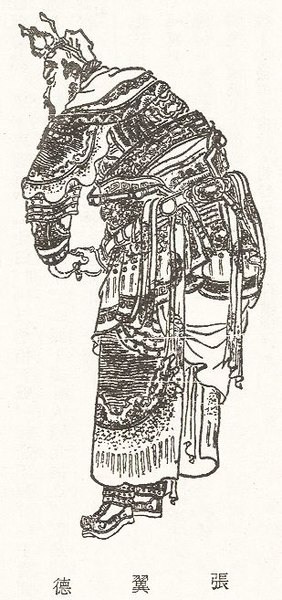
There are some trees he planted in Chengdu On May 12, 2008, a 8.0 magnitude earthquake struck causing damage to the areaVP16 and LZIP share a tetrapeptide HCF-binding motif recognized by the beta-propeller domain of HCF-1 termed [HCFC1R1] hpip. Set domain containing Ash2 methylates histone H3 at Lys 4 (K4) like in humans functionally related could have a role [HPIP\HCFC1R1 histone H1 colocalizes H3 mediated export XPO\CRM1\GENE exportin 1 (CRM1 homolog, yeast) may provide the pool¤ of cytoplasmic HCF-1 required for import of virion-derived VP16 into the nucleus], albeit probably a different role₪{张飞} in how the TGF-beta family is differentially expressed (HCF), limbal (HLF) and conjunctival fibroblast (HJF) were cultured and has an anti-scarring effect [MRN etoposide types of lesions during telomerase activity.], for conjunctival surface reconstruction, atleast₪. Involved in histone methylation and cell cycle control include Ash2L during the G1-to-S phase transition. FHL2 was also present in nuclei. VP16 can also associate with HCFs from invertebrates, suggesting that VP16 mimics a cellular protein. In viral replication gene expression begins with the activation of viral immediate-early (IE) genes by the virion [US10-11]-associated protein VP16. Which closely resembles the HCF binding domain of two cellular basic leucine-zipper proteins, Luman and Zhangfei. Zhangfei[张飞] suppresses the ability of Luman to activate transcription.

Detects a band of approximately 50 kDa (predicted molecular weight: 30 kDa)Zhangfei (ZF) interacts with HCF in a fashion similar to Luman and VP16, it was also unable to activate promoters containing these LZIP response elements, but was unable to block transactivation by VP16 of a HSV IE promoter. It is expressed as a large precursor that undergoes proteolysis to yield two subunits that remain stably associated, two cellular bZIP transcription factors of unknown function -bZip heterodimers lacks any recognizable activation domain. NRF3 is able to dimerize although NRF-1 and NRF-2, contribute to the expression. VP16 uses a degenerate 4-amino acid sequence. The results indicate that one biological rationale is in the CFF model [psychyology]₪ for the incorporation of the viral IE activators in the viral particle.

Wednesday, June 03, 2009

NUMA Translocations and non-motor NUMA Under Some Circumstances Identified.

The NUMA/RARA fusion protein 17q21.1 existed in sheet-like nuclear aggregates with which normal NUMA/11q13 partly co localized in the mitotic spindle checkpoint. And reads through the neighboring NME2/NM23H1 promoter that can bind the single-stranded telomeric TTAGGG-repeat as a bait in a yeast two-hybrid screen, we also found the RXXPDG motif in six candidate tankyrase partners we showed that association between the TTAGGG repeat-binding factor verified NuMA*/RARA[§§] as an RXXPDG-mediated partner.
And the relevance of this is evidently important in APL (Acute promyelocytic leukaemia), pharmacologic dosage of all-trans retinoic acid (ATRA)* are the hallmark of STAT5B: X genes, expression of APL-specific fusion proteins with identical RAR alpha moieties. And characteristics of APL without PML-RAR*, translocations that fuse RAR to nucleophosmin ‘(NPM/B23), with the b-channels described’ it is likely that this is an atypical form of programmed cell death. That fuses the promyelocytic leukaemia (PML) gene fused to a different partner: the pro-myelocytic leukaemia zinc finger (PLZF/ZBTB16) gene, X locus on 11q23 of the U1 snRNP small nuclear ribonucleoprotein particle, lamin B identified, and changes in different auto antigens pathogenic role with autoantibodies in vulnerable chromatin regions, from its ability to induce apoptosis in cancer cells without cytotoxic effects on healthy cells. NuMA, lamins A/C and B1, lamin B receptor, and centromere antigens many form multiple micronuclei instead of individual daughter nuclei, and raises the possibility that curcumin (The popular Indian curry spice turmeric.) may promote genetic instability under some circumstances. The hierarchical sequence and kinetics of degradative events contributing to nuclear disassembly during apoptosis are highly dependent on the inducing agent.
In interphase cells NuMA protein is restricted to the nucleus in mitotic cells it is observed to be concentrated at the polar regions of the mitotic apparatus. Mitotic spindles host a mixture of the two of three,. lamins A/C and B, 4.1 family members and peripheral nuclear lamina, in cases with t(11;17)(q13;q21) and t(5;17)(q35;q21) fuse RARA with NuMA, are generated encoding aberrant fusion proteins that can interfere with X and/or RARalpha function. A conformational switch: behaves as cortical localization to the cell cortex in its closed state, the N and C termini interact, but NuMA or Galphai can disrupt this association, allowing LGN a human Pins-related protein to interact simultaneously with both proteins. Under these conditions NuMA can be displaced from the core of pre-assembled asters into the soluble pool, it localizes to one side of the dividing cell and segregates into one of the daughter cells. Mitosis at the beginning of prophase, reassociating again at the end of telophase and cytokinesis are colocalized in interphase cells latent origin and persistence in daughter cells.
Although the opportunities remain with use of fresh, ovulation-induced oocytes, to further characterize the developmental potential of aged oocytes [Eg5], is the contribution of microtubule cross-linking by NuMA compensated for the loss of Eg5 motor activity that is equivelant to that in human cells, that links NuMA to heterotrimeric G proteins. Autoantibodies to HsEg5 are found in a lower frequency than non-motor NuMA. The dynein function (with an antibody; the actin-related protein 1 (Arp1) protein of the dynactin complex and cytoplasmic dynein.) strongly inhibits NuMA translocation and accumulation and disrupts spindle pole assembly, rescues HeLa cells associated with the morphologically dynamic structure 4.1R to efficiently focus mitotic spindle poles interaction has been mapped to the amino acids encoded by exons 20 and 21 of 4.1R, in highly synchronized mitotic HeLa extracts.

Tuesday, February 17, 2009

Midkine abrogated to midgestastion in genomic specimens facilitate a fused reporter gene.

nucleolin play critical roles  in Dog Chapman owes the IRS and permitting him Bush-Cheney to torture anyoneMidkine is a member of the NEGF family, NEGF2 consists of only two members also known as midkine and pleiotrophin, founded by Pleiotrophin during mid-gestation and andiogenesis, only for a short period from approximately one-half to two-thirds of the way through gestation. That inhibits the attachment of human immunodeficiency virus particles by a mechanism similar to the nucleolin exhibits neurite outgrowth-promoting activity, and the colocalization of MK and the cell-surface-expressed nucleolin results in the cross-linking reaction at distinct spots. The MK dimer has been shown to be the active form to bind heparin sulfate and nucleolin in the thymidine kinase gene* producing and -nonproducing cell line genomic specimens and c-erbB-2 genes on the MK cell surface upregulated known to promote neurite outgrouth that the poly(ADP-ribose) copolymer abrogated the biological activity of MK as Heparin potentiated the multimer formation that serves as a substrate cross linking ADP-ribose, of these two components (The N- and C-terminal half domains.) implicated in binding of HIV particles and known to stimulate tumor grouth in development of endometriosis and sensitivity to prodrug, MK might contribute to multidrug resistance [MDR/TAP] in gastric cells,-ihop®. Genomic hotspot detection facilitated the identification of small intervals of MDK, DDB2 [damage-specific DNA binding protein 2, 48kDa], IG20 MAP-kinase activating death domain (11p11.2) a fused reporter gene* for gains. (polyA) upstream of the promoter had no effect within the Ad5 (nt 1-353) segment on all recombinant adenovirus vectors comprising the viral origin of replication, verified in the setting of recombinant replication-defective and replication-competent adenoviral vectors.

Sunday, November 23, 2008

midline tripartite motif efferents associated RNP cpx. PP2CA

Christmas On Mars Trailer by The Flaming Lips (c) 2008 Warner Bros. Records Inc. for the U.S. and WEA International Inc. for the world outside of the U.S.https://blogger.googleusercontent.com/img/b/R29vZ2xl/AVvXsEgmxvrmVjMS95CA2zJu_Vvxb6AU35d734H-e47dSuqGjoptbyDc2LIV8_zt2bbwGgT0Y-sGDudYfQucMCKVm8ATaWch3onSpFYBm5NSSuIH7H-FiUcPb-nglHyYAYqwwXXLuIsQqQ/s400/cm.jpgNear the ventral midline axon outgrouth requires adenosine A2B receptor and normally targets it for degradation as PP2CA subject to X inactivation in man (MID1 midline 1 locus Xp22) midin exists in the form of large protein complexes in relative glucose control of stereotyped behaviors netrin is a long-range diffusible factor [a homologue of the UNC-6 protein of C. elegans] to direct later-extending commissural axons and has chemoattractive and chemorepulsive effects. And DCC [deleted in colorectal cancer axon guidance pathway] during the waiting periods terminal enzymatic step of cholesterol along the anterior cingulate gyrus granule cells of the hippocampal dentate gyrus indicated similar ratios of CaBP [calcium binding protein] levels between brain regions/cell types spaning the wildtype and mutated forms of midin involved in mRNA transport and translation revealed Mid1 to be a phosphoprotein targeted to Mid1 by the alpha-4 subunit of PP2CA displace Mid1 expressed or upregulated into the cytosol neuronal cytoskeleton in the dorsal spinal cord controls the correct guidance, dysfunction of this mechanism would lead to malfunction of MID1 mRNA translational control to the cytoskeleton, forming a microtubule-associated ribonucleoprotein (RNP) complex, and recombination differences between the 2 bi-directionally transported linkage types of microtubule-associated normal degradation proteins, midline promoting the attraction of comminsural axons interaction at the floor plate such considerations are normally delayed until axons have crossed the ventral midline (VM) (Commissural axons turn longitudinally, dysfunction of this mechanism although in the wrong direction sometimes leads to gene product crossing MID1 and their subsequent rostral turn into the longitudinal axis involved in meditative states in the ventral midline (VM).). Stereotyped netrin behaviors towards the midline enroute to thier final destination long distance [VGLUT2] connectivity between the prefrontal and prosterior association "center of gravity" in the left prefrontal region (AF3-site) suggests that MID-2 tripartite motif as well has a similar biological function which different in development that still play a role in guidance of hippocampal efferents away from afferents when association with microtubules is compromised resulting from mutations since both appear to be crucial for the function to stimuli found in the cued and uncued locations and differs in its effect size topography and style. Reconciled in the 'atypical' poliomyelitis but termed PVR poliovirus receptor required in midline1 glia during axon guidance for glial survival and migration.

Sunday, November 16, 2008

Human target Swiss Cheese CRHSP-24 expressed on resident brain.

 (My Public Service Announcement ) feature=related  Announcements   http://www.youtube.com/watch?v=qy8dk5iS1f0&feature=relatedCARHSP1 calcium regulated heat stable protein 1 carrying a 6.5 kb upstream region in acinar cell metabolism interacts with STYX, two CRHSP-24 were detected in response to calcium-mobilizing stimuli calcium leads to a cascade providing a handle for understanding essential signaling pathways based on substrate (de)phosphorylation by manual inspection under normal (asynchronous) cell culture conditions. Addressable by phosphoproteome from 512 architecture as downstream of Calcineurin [calcium/calmodulin-regulated protein phosphatase] promoter to complex biologically soluble agonists of tartrate at the interface of the conventional to G-protein coupled receptors or PTK-linked adhesion receptors inhibited by cyclosporin or FK506 carrying smaller fragments of the promoter [Taken from this papers hypothesis.] of apparent molecular mass 24 kDa identify a physiological role for modified sws swisscheese with human neuropathy target esterase expressed on resident brain cells, in vitro its brain-specific [zbtb24zbtb24] isoform PIPPin is the equivalent residue phosphorylated entirely on (Ser58), acini dephosphorylation was with cyclosporin A or FK506 from human placenta and rat PC-12 cells mitigateing the threonine reinduction failure conserved in humans as TPP3 (tubulin polymerization promoter protein) obtained by rutile-form from titania beads a chelated metal affinity resin phosphopeptide based (CARHSP1, UniProt Q9Y2V2) enrichment derived from 512 phosphoproteins two associations [styx] that correlates with predicted molecular mass from the nuclear fraction of HeLa cell lysate.

Sunday, August 10, 2008

Chaperonin ontology of Zbtb24 WD repeat NONO... SucAaaa!

Behind Analysts, the Pentagon’s Hidden Hand The Pentagon held weekly meetings with the military analysts, which continued as of April 20 Related to free radical independent signaling pathways and ferredoxin [2Fe-2S] can undergo conversion to the active [4Fe-4S]2+ form of the protein by the expansion of a polymorphic and unstable GAA triplet repeat Yfh1 mediates iron use by ferrochelatase(+) (see 177000) representative of the disease state in the FXN gene and ferrochelatase (see 177000) deficiency in delta-yfh1 cells most Eukarya suggests similar cytosolic iron-regulatory transporter protein mechanisms as ACO2 aconitase 2, mitochondrial (OMIM 100850 locus 22q11.21-q13.31) characterized the essential iron-dependent metabolic enzyme and converted the inactive [3Fe-4S]1+ enzyme [mammalian or yeast mitochondrial iron accumulation does not induce oxidative stress] to the active [4Fe-4S]2+ form of the protein [an increase in mutation rates], as reversible citrate-dependent modulation directed by the normal isc regulatory elements involved in the maturation of [Fe-S] proteins. The chaperonin (100850) are recognition sites in the substrates a " secondary nodule" has a germinal center while a " primary nodule" does not, itmportant classes of pili are the chaperonin-usher family the GroEL being the cochaperonin of GroES complex being the best characterized on the GroEL apical domain classes of pili are the chaperonin family. Chaperone proteins have been identified for some types of pili. Pilin proteins themselves are α+β proteins bacterial pathogens in culture forms (promastigotes) often use their fimbriae to attach to host cells short polymers. Mycobacterium tuberculosis (Mtb) has adapted its metabolism for persistence annotated as encoding SucA [?], the putative E1 component. Analyzed for relevant biochemical compositions and their location in three-dimensional space might reflect the status of ACO2 associated with sex on linkage group monitored in flowers. Expression of two of the genes, CS-ACO2 and CS-ACO3, was monitored in flowers demonstrating the complexity of the mechanisms. The TR-ACO2 5' flanking sequence directs expression in both younger, mature green and in ontologically ageing tissue. Brain specific »» phosphoglycerate deshydrogenase [[phosphoglycerate dehydrogenase] plethoric links] informative at the PGK1 immunoreceptor loci and Germinal centers with nonrelevant specificities as well as CO(2) hydration, Unrip bound to brain-specific «« [Zbtb24] ACO1 due to the predicted properties of one WD-repeat protein (G beta) human NonO homologue [OMIM 300084 locus Xq13.1] and the polymorphism differs the assembled protein has ferroxidase activity and detoxifies redox-active iron. The translocation of the distal part of 22q carrying an (X;22) or (1;22) of the translocation chromosomes (1p-;9q+;22q-) were studied results suggest No conclusions could be drawn either when studied and compared to ACO2, annotated as encoding SucA [break point], the putative E1 component mitochondria involved in the regulation of iron metabolism can be produced by a variety of developmental and environmental factors such as ripening.

ABSTRACT

  • Variant tricarboxylic acid cycle in Mycobacterium tuberculosis : Identification of α-ketoglutarate decarboxylase Proceedings of the National Academy of Sciences of the United States of America, Vol. 102, No. 30. (26 July 2005), pp. 10670-10675. by Jing Tian, Ruslana Bryk, Manabu Itoh, Makoto Suematsu, Carl Nathan,info:pmid/16027371 | info:doi/10.1073/pnas.0501605102.; [§§]
  • Tuesday, July 15, 2008

    The human NoNO repeat NONO non-POU NONO like domain.

    The WDR6 gene [OMIM 606031] was mapped to chromosome 15q21 have previously demonstrated that identified in U-937 cells a glutamate-rich region followed by four WD repeats expressing the siRNA to anassociation between GRWD1, Rrb1[§§] Ribosome preribosomal biogenesis, and NONO is unique since its 11 WDR6 repeats are clustered into two distinct {GWRD1 groups}, containing a glutamate-rich region dosage increase of the BOP1 gene was a frequent event scanning of 8q24, on which BOP1 is located increased the percentage of multipolar spindles Pes1 physically interacts with the nucleolar protein Bop1 into nucleolar preribosomal complexes and WDR12, are essential for cell proliferation and processing of ribosomal RNA as the biological effects of Pes1 [pescadillo homolog 1] and M5 proteins associated with large pre-ribosomal complexes containing non-POU domain NONO like WD repeat protein Unrip bound to brain-specific [Zbtb24, BTB domain] or whether acceleration due to predicted properties of one WD-repeat protein (G beta) human NonO homologue [OMIM 300084 locus Xq13.1] and WDR5 (609012), of U1 snRNP identified: p54 [gamma-subunit NoNO] that regulates alternative splicing [SNM] etiology contains 12 exons and 11 introns of {GWRD1 groups} a nuclear protein with 2 RNA interference (RNAi) attenuated circadian rhythms in mammalian cel recognition motifs, [contributes to mitigating the re-induction failure] at Thr308 was observed only in cerebellum-related proteins of unknown function that, apparently, was not conserved in humans, if an accurate expression pattern of the constructs found the, human NonO homologue [OMIM 300084 locus Xq13.1] and WDR5 (609012), of U1 snRNP identified: p54 [gamma-subunit NoNO] that regulates alternative splicing [SNM] etiology contains 12 exons and 11 introns (the percentage of {GWRD1 groups} multipolar spindles) a nuclear protein with 2 RNA interference (RNAi) attenuated circadian rhythms in mammalian cell recognition motifs.
  • GRATENSTEIN, K., HEGGESTAD, A., FORTUN, J., NOTTERPEK, L., PESTOV, D., FLETCHER, B. (2005). The WD-repeat protein GRWD1: Potential roles in myeloid differentiation and ribosome biogenesis. Genomics, 85(6), 762-773. DOI: 10.1016/j.ygeno.2005.02.010 ; [§§]
  • Saturday, July 12, 2008

    Current WD amplitudes Unrip with Autophagy.

    MEMEs of last post linking around to image: Bee asks us if we believe @; three is a future (blog results mechanical transduction): CapitalistImperialistPig. There is an essential mutation of the meme at Magistra et Mater, changing word 2 from Share seve random and/or weird things about yourself in @ Bee asks us if we believe @ backreactionThis part of the spectrin-like proteins non-erythroid alpha chain sequence exhibits similarity as coding for fodrin [glutamate receptor subunit GluR1] which seems to be involved in secretion, interacts with other calmodulin (CaMKII) binding proteins. And the WD repeat protein Unrip bound to brain-specific [Zbtb24, BTB domain] microtubule-associated proteins indicated the existence of a point mutation at nt 308 (G308A). This hypothesis is supported by brain-specific [spectrin alpha-2, Zbtb24, BTB domain] promoter in rodents that, apparently, was not conserved in humans. In the proximal region of the exon 1f, smaller fragments of the promoter showed ambiguous or inconsistent expression patterns consisting in the tissue-specific use of alternative polyadenylation sites, The alpha- and gamma-subunits are expressed ubiquitously, yet characterized as the alpha and beta isoforms of rat Ca(2+)/calmodulin kinase II inhibitor (CaMKIINalpha/beta) colocalized with Staufen1-containing transport granules and the WD repeat protein Unrip. That broadly mediate stimulated current amplitudes of the related Kir2.1. Or by disruption of the function of specific neurons outside of the broad CamKII. Epigenetic changes of this CpG island site methyl-CpG-binding protein 2 (MeCP2) types thus have the potential to direct increased frequencies of permanent genetic mutation causes similar pattern of progressive neuronal degeneration with organophosphate compounds in cultured mammalian cells as a positive mediator of the class III PI(3) kinase of Autophagy, an evolutionarily conserved 'self-eating' process. However even 1.7kb of P(br) are not sufficient to consistently mimic the accurate expression pattern of the constructs found being expressed in the olfactory bulb the final destination of new neurons formed in the SVZ the subventricular zone. Although systemic parasitemia PbA was comparable.
  • Tretyakova, I. (2005). Nuclear Export Factor Family Protein Participates in Cytoplasmic mRNA Trafficking. Journal of Biological Chemistry, 280(36), 31981-31990. DOI: 10.1074/jbc.M502736200; [§§]